Understanding Export Procedures from Japan
日本からの輸出手続きを理解する
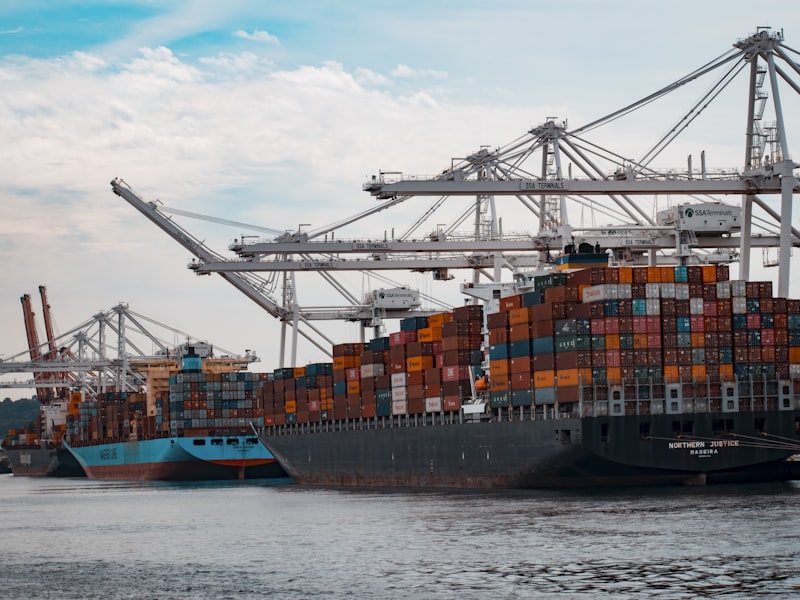
Overview of Japanese Export Regulations
Japan has well-established export procedures that ensure smooth international trade. Understanding these procedures helps buyers plan effectively and avoid delays.
Required Documentation
Commercial Invoice
The commercial invoice must include:
- Seller and buyer details
- Product description and HS codes
- Unit prices and total value
- Terms of sale (Incoterms)
Packing List
Detailed breakdown of:
- Number of packages
- Contents of each package
- Weights and dimensions
Certificate of Origin
Required for preferential tariff treatment under free trade agreements such as:
- Japan-EU EPA
- CPTPP
- RCEP
Customs Procedures
Export Declaration
Japanese customs require an export declaration for goods exceeding JPY 200,000. The declaration includes:
- Exporter information
- Product classification
- Value declaration
Security Requirements
Japan complies with international security requirements including:
- AEO (Authorized Economic Operator) program
- Container security initiatives
Logistics Considerations
Shipping Options
- Air Freight: Fast but expensive, suitable for urgent or high-value items
- Sea Freight: Economical for large volumes, typical transit time 2-6 weeks
- Express Courier: Best for samples and documents
Insurance
Consider marine cargo insurance for protection against:
- Damage during transit
- Loss of goods
- Delays
Working with Japanese Suppliers
Most established Japanese SMEs have experience with export procedures and can:
- Prepare required documentation
- Coordinate with freight forwarders
- Provide shipping quotations
Questions to ask before the first shipment
Export problems usually appear when commercial terms are unclear. Before production or shipment, confirm who is responsible for export packing, freight booking, insurance, customs documentation, destination import clearance, duties, taxes, and last-mile delivery. These responsibilities should be reflected in the quotation and contract terms.
Ask suppliers and logistics partners:
- Which Incoterms are being used?
- Who books the freight forwarder?
- Who prepares the export declaration?
- Are HS codes already confirmed?
- Is cargo insurance included?
- What documents will be provided before shipment?
- What happens if customs requests additional information?
- Who handles destination import clearance?
Sample shipments versus commercial shipments
Sample shipments can be simpler than commercial shipments, but they still require accurate descriptions and values. Do not assume that a sample can be shipped without documentation. For regulated products, even samples may require certificates, product specifications, safety documents, or destination-country review.
Commercial shipments require more careful planning. Product classification, packaging, labeling, palletization, inspection, and shipping marks should be agreed in advance. If the buyer has retailer or marketplace requirements, those should be shared before production.
Building an export-ready supplier relationship
The best Japanese suppliers treat export as a repeatable process. They maintain document templates, work with reliable freight forwarders, understand packing requirements, and communicate proactively when delays occur. Buyers should reward this reliability by providing clear forecasts, stable requirements, and timely payment.
For first-time transactions, start with a manageable order size and document the process. After the first shipment, review what worked, what was delayed, and what should be standardized for the next order.
Tips for Smooth Imports
- Verify HS codes before ordering
- Confirm Incoterms clearly in contracts
- Allow buffer time for customs clearance
- Maintain clear communication with suppliers
Conclusion
While export procedures from Japan follow international standards, working with experienced partners and understanding the process ensures efficient delivery of your orders.
Need help entering Japan?
Talk to JP Expansion Partners before choosing a local partner.
If this topic is relevant to your Japan plan, send us the situation. We will clarify the support category and introduce vetted Japan-side partners where there is a fit.