Japanese Traditional Crafts in the Modern Global Market
現代グローバル市場における日本の伝統工芸
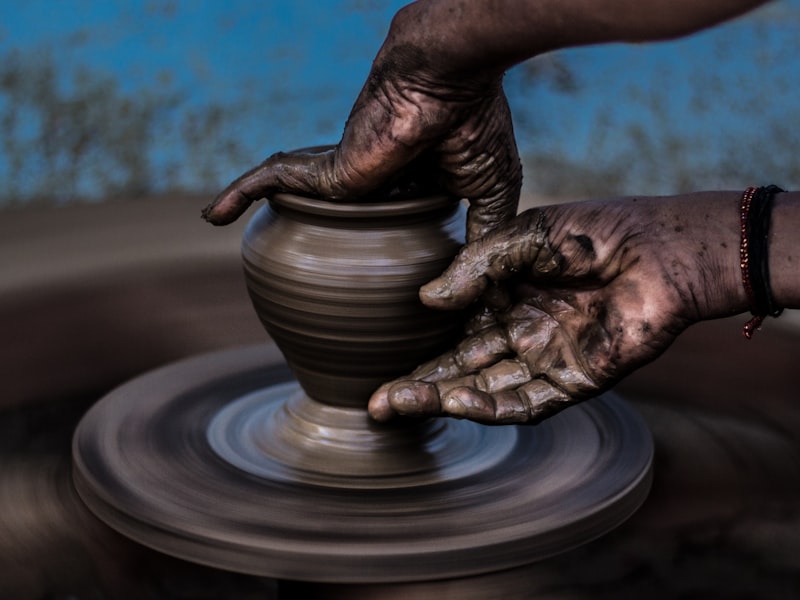
A Heritage Worth Preserving
Japan is home to hundreds of designated traditional craft industries, from Arita porcelain and Nishijin textiles to Wajima lacquerware and Echizen knives. These crafts represent centuries of accumulated knowledge passed down through generations of artisans. Today, many of these craft producers are looking beyond domestic markets to find new audiences who appreciate handmade quality and cultural authenticity.
The challenge is clear: how do you bring centuries-old craft traditions to a modern global market without losing the very qualities that make them special?
Adapting Without Compromising
Contemporary Design Collaborations
Forward-thinking craft workshops are partnering with international designers to create products that honor traditional techniques while appealing to modern aesthetics. A ceramics studio might collaborate with a Scandinavian designer to create minimalist tableware using traditional Japanese glazing methods. The technique is authentic; the form is contemporary. This approach opens new market segments without requiring artisans to abandon their skills.
Functional Innovation
Some craft producers are finding new applications for traditional materials and techniques. Textile weavers are developing fabrics for interior design and hospitality sectors. Ceramics workshops are creating custom pieces for high-end restaurants worldwide. Lacquerware artisans are producing accessories and lifestyle products alongside traditional vessels. These functional innovations leverage existing expertise while creating products with clear market demand.
The E-Commerce Opportunity
Digital platforms have dramatically lowered the barriers to international sales for Japanese craft producers. Through curated marketplaces and B2B platforms like JP Expansion Partners, even small workshops with a handful of artisans can connect with buyers across the globe. The key is presenting products with strong visual storytelling that communicates the craft process, the materials, and the human hands behind each piece.
What Buyers Should Know
Lead Times and Seasonality
Handmade products require longer lead times than mass-produced goods. A custom ceramic order might take 8-12 weeks from confirmation to shipment. Some crafts are seasonal, with certain materials or processes only available at specific times of year. Planning ahead and building buffer time into your buying calendar is essential.
The Value Proposition
Japanese traditional crafts compete on quality, authenticity, and story rather than price. Buyers who succeed with these products position them as premium offerings and invest in educating their customers about the craft heritage behind each piece. The margin potential is significant for retailers who can communicate this value effectively.
Building Lasting Partnerships
The most successful international buyers of Japanese crafts build long-term relationships with their artisan partners. Regular communication, factory visits, and mutual respect for each other’s expertise create partnerships that grow over time. Many artisan workshops are family businesses where trust and personal connection are fundamental to doing business.
What international buyers should prepare
Craft producers often work with limited production capacity. Buyers should be clear about whether they need wholesale products, custom designs, private label, limited editions, hospitality projects, or gallery-level pieces. Each model affects pricing, lead time, and creative control.
A strong buyer brief includes:
- Target customer and sales channel
- Desired product type and price range
- Order quantity and reorder assumptions
- Packaging and storytelling needs
- Customization requirements
- Quality expectations and acceptable variation
- Delivery timeline
- Market restrictions or labeling needs
Respecting handmade variation
Traditional craft products are not identical to mass-produced goods. Variation in glaze, texture, wood grain, fabric tone, or hand finishing can be part of the value. Buyers should decide which variations are acceptable and which are defects. This should be documented before ordering, especially when selling through retail channels with strict return policies.
Storytelling as commercial value
Japanese crafts often need explanation in overseas markets. Customers may not understand why a product costs more unless the brand communicates the maker, region, materials, technique, and use case. Buyers who invest in storytelling, photography, and staff education are more likely to succeed than buyers who treat craft products as ordinary inventory.
Need help entering Japan?
Talk to JP Expansion Partners before choosing a local partner.
If this topic is relevant to your Japan plan, send us the situation. We will clarify the support category and introduce vetted Japan-side partners where there is a fit.